
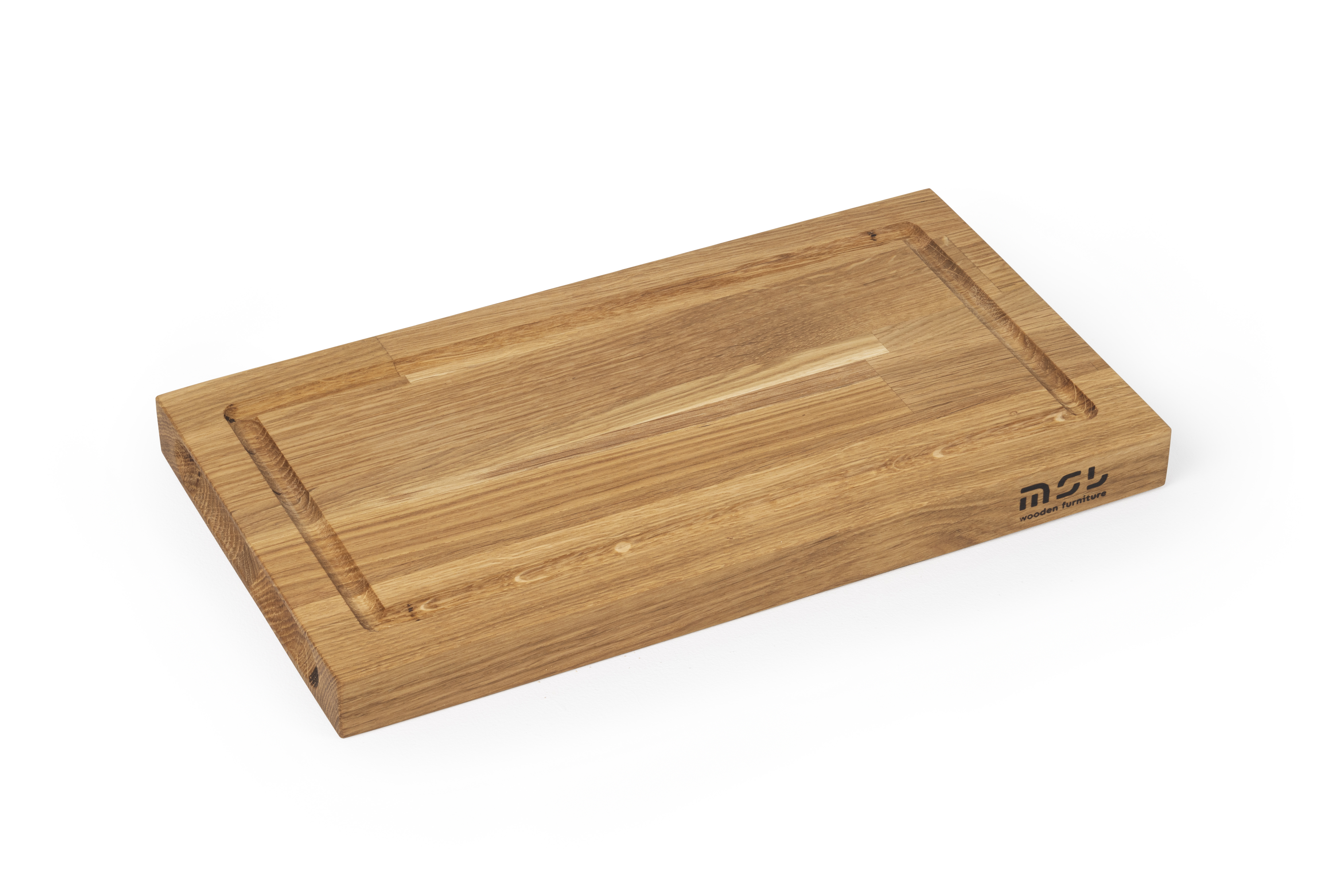
WHY CHOOSE A SOLID WOOD CUTTING BOARD – Where Science Meets Tradition
Solid Wood Cutting Board vs. Sterile Plastic Cutting Board – Which Is Actually the More Hygienic Choice?
A cutting board is one of the most important tools in any kitchen. Many people believe that plastic cutting boards are safer and cleaner than solid wood ones – but science tells a different story.
A study conducted by the Food Research Institute at the University of Wisconsin compared cutting boards made from different materials. In the experiment, both wooden and plastic boards were contaminated with bacteria that commonly cause food poisoning.
The results were surprising:
On wooden cutting boards, bacteria died within minutes, while on plastic boards they survived — and even multiplied overnight.
Why Is a Solid Wood Cutting Board Naturally More Hygienic?
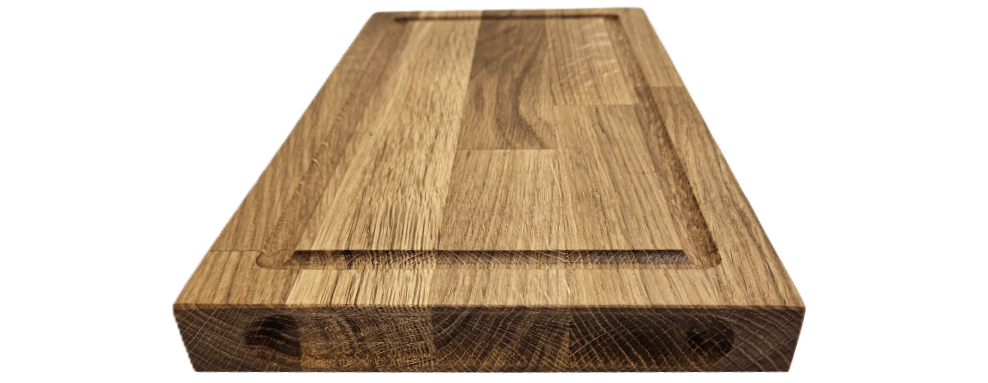 Wood is a natural material with inherent antibacterial properties. The porous structure of dry wood absorbs moisture — along with bacteria — into its inner layers, where the microorganisms soon die off. As a result, the surface dries quickly and becomes naturally clean and hygienic without the need for harsh chemicals.
At first glance, a plastic cutting board may seem more sterile. However, over time, countless bacteria accumulate in the knife grooves formed during use. These tiny cuts are difficult to clean thoroughly, even in a dishwasher, allowing bacteria to persist and multiply.
Solid Wood Cutting Boards by MSL – Beauty, Durability, and Hygiene in One
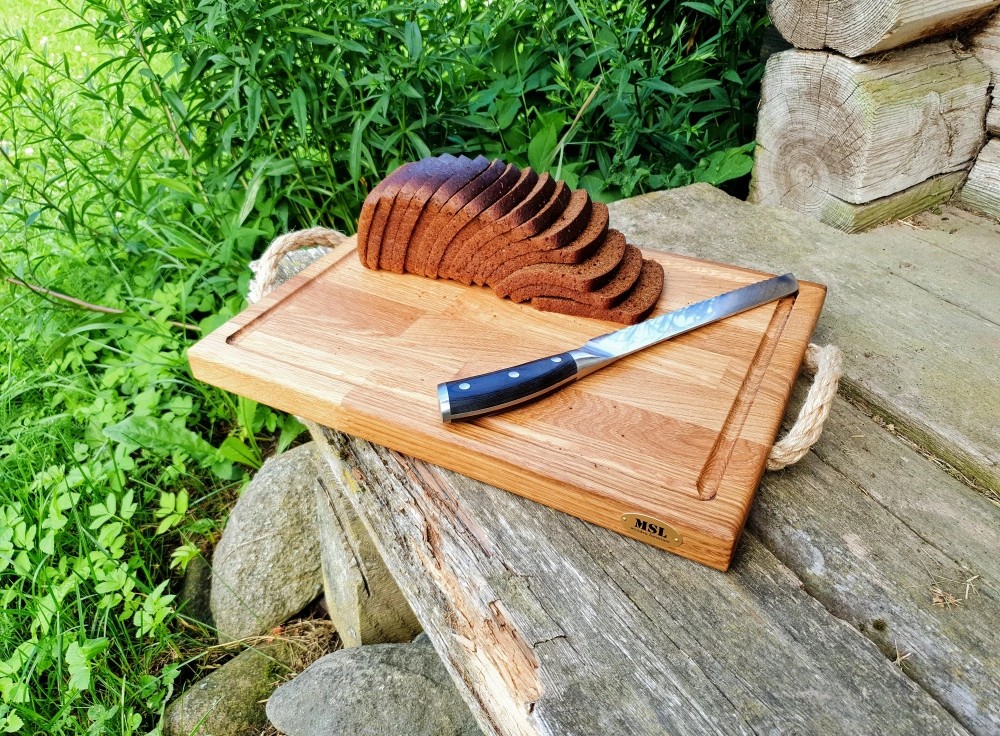
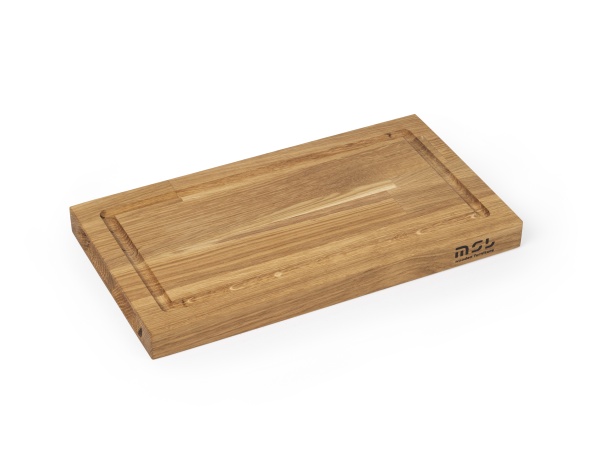
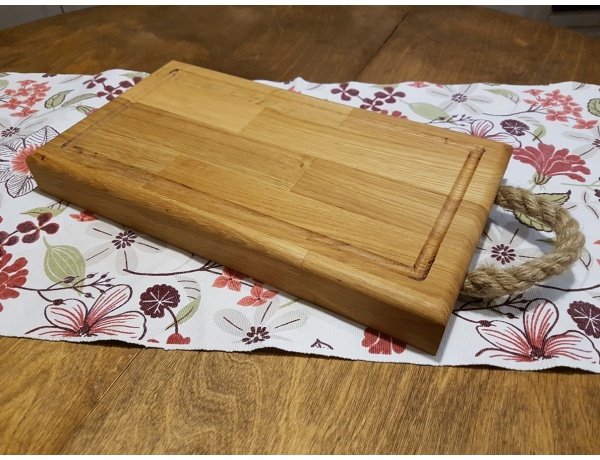
MSL Wooden offers handcrafted solid oak cutting boards, each made by skilled artisans using natural materials. Every board is unique, durable, and crafted to meet the highest standards of quality — exactly as a cutting board should be.
Oak’s dense structure and natural tannins (plant compounds known for their antimicrobial and antifungal properties) make these boards not only strong and long-lasting but also hygienically safe for everyday kitchen use. 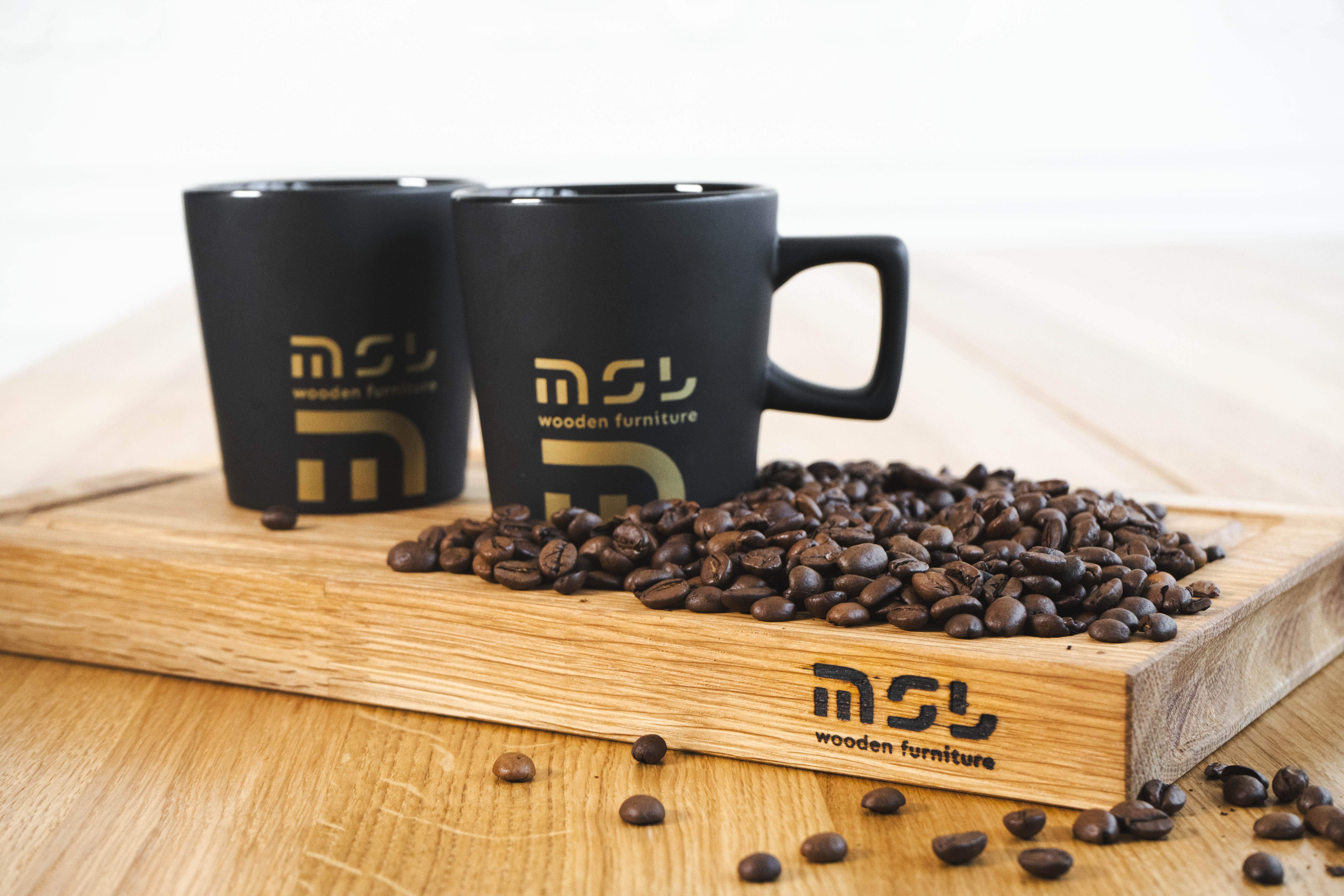
That’s why a solid oak cutting board is more than just a beautiful kitchen accessory — it’s a healthy, sustainable, and reliable choice that blends nature, craftsmanship, and science in perfect harmony.
How to Care for Your Solid Wood Cutting Board to Keep It Hygienic
A solid wood cutting board can last for many years if properly maintained. Here are a few simple but important tips to keep it clean, safe, and naturally sterile:
Wash Immediately After Use - Clean your cutting board right after using it with warm water and a natural soap. This helps remove food residue before it has a chance to soak into the wood.
Dry Thoroughly - Always dry the board completely after washing. Bacteria can survive and multiply in a moist environment, so it’s important to let the board air-dry upright or on its edge.
Disinfect Occasionally - From time to time, disinfect the board with a mixture of vinegar and hydrogen peroxide. This helps eliminate deeper bacteria and microscopic food particles trapped in the wood’s surface.
Oil Regularly - Apply a thin layer of food-grade mineral oil or natural food oil regularly. Oiling protects the wood from drying out, prevents cracking, and helps maintain a smooth, sealed surface that repels moisture and bacteria.
Use Separate Boards for Different Foods - Keep one cutting board for raw meat and another for vegetables, bread, or cooked foods. This helps prevent cross-contamination and keeps your kitchen safer and more hygienic.
A Solid Wood Cutting Board – A Conscious and Eco-Friendly Choice
Beyond its hygienic advantages, a solid wood cutting board is also an environmentally friendly option – made from renewable materials, free from plastic, and built to last.
With proper care, your board will serve you for many years while maintaining its natural beauty and strength.
From the perspectives of cleanliness, quality, and sustainability, the solid wood cutting board is the clear winner.
Summary: Solid Wood Cutting Boards Are Naturally Hygienic
Scientific studies confirm that wooden cutting boards are naturally antibacterial and hygienic.
In contrast, plastic, so-called “sterile” cutting boards can actually provide a better environment for bacteria to grow.
A solid oak cutting board is durable, beautiful, and a safe choice for any kitchen.